Outdoor Education
A relationship-led outdoor programme for schools, building confidence, resilience and belonging.


A relationship-led outdoor programme for schools, building confidence, resilience and belonging.
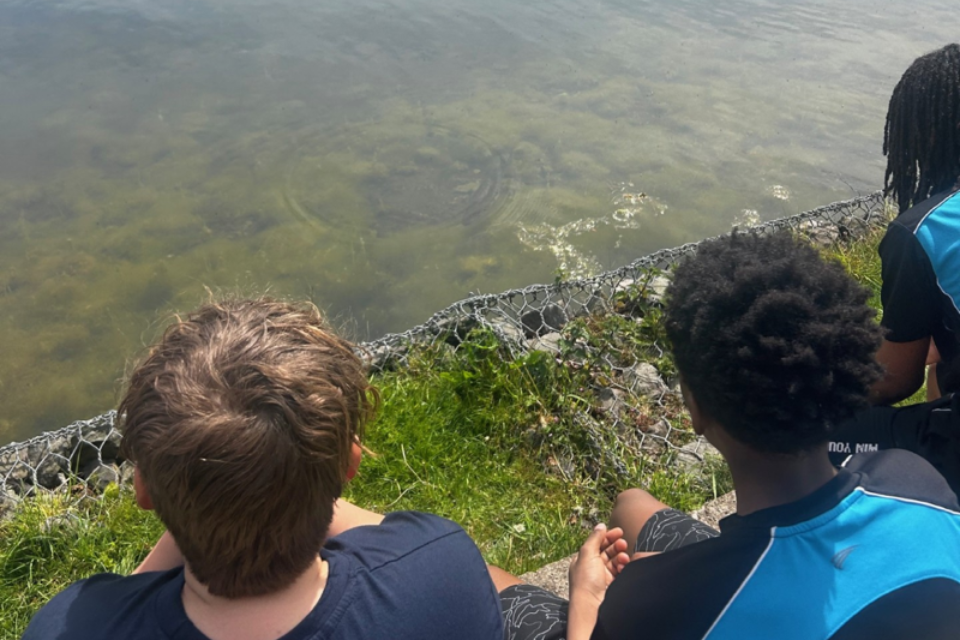
Helps young people feel more confident, connected and capable.
Supports belonging, positive behaviour and stronger relationships.
Builds life skills that transfer back into school life: communication, teamwork, accountability and resilience.
Broadening horizons and helping young people see positive future opportunities.
Supports young people at risk of becoming NEET (Not in Education, Employment or Training), helping them stay engaged through positive relationships, meaningful opportunities and consistent support.
Young people thrive when they experience a strong web of trusted relationships in their lives. That’s why Outdoor Education is intentionally delivered through the five elements of YMCA’s Developmental Relationships Pathway:
Young people feel known, valued and encouraged.
They are stretched safely and supported to learn from setbacks.
Clear structure, boundaries and coaching help them succeed.
Young people have voice, choice and opportunities to lead.
New experiences, places and positive role models broaden horizons.
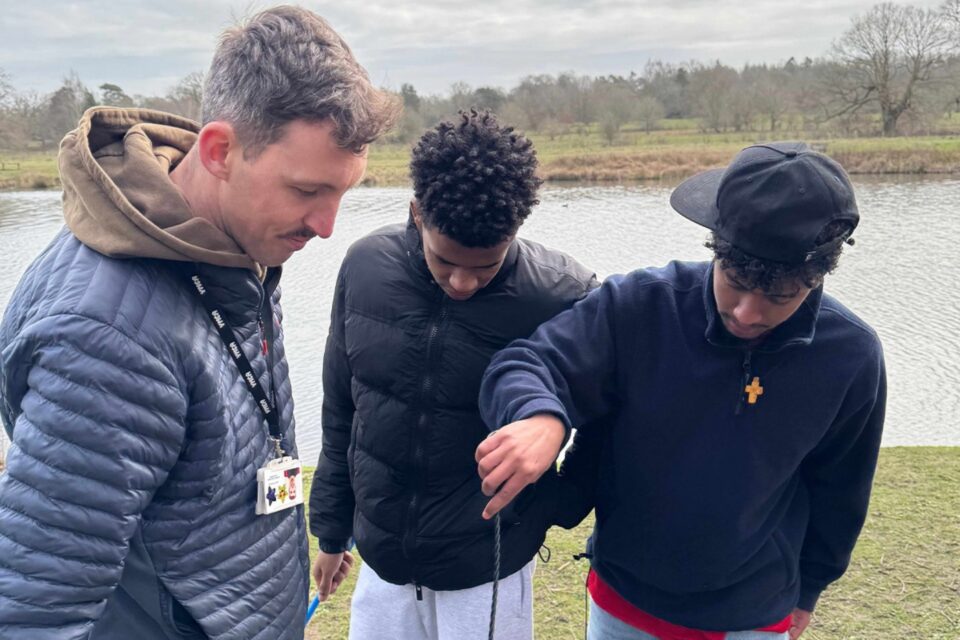
Outdoor challenge is the vehicle; relationships are the method; wellbeing outcomes are the goal and can be particularly effective for young people who do not respond well to traditional interventions.
Through trusted relationships, consistent adult support and shared challenge, young people develop a stronger sense of belonging, increased engagement and greater confidence in their future possibilities. This can be especially valuable for young people who may be at risk of becoming NEET (Not in Education, Employment or Training) and would benefit from opportunities to reconnect, develop aspiration and build positive support networks.
Outdoor Education provides an effective early intervention for young people who are becoming disconnected from school, struggling with attendance, losing confidence or finding it difficult to see positive future pathways.
Through small-group experiences, trusted adult relationships and achievable challenge, young people develop greater confidence, engagement, belonging and aspiration, helping them stay connected to education, training and future opportunities.
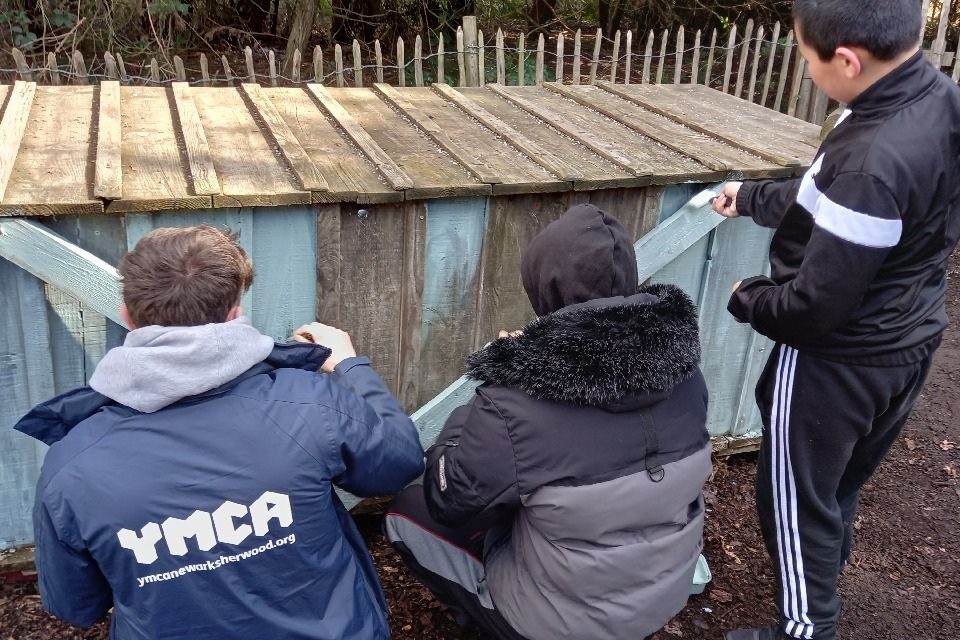
A first session builds trust, agrees group values and sets personal goals.
Challenge and reflection help develop confidence, teamwork and communication.
Clear structure, encouragement and consistent routines help young people feel safe and capable.
The final session recognises progress and identifies possible progression opportunities.
Tailored for groups of up to 8, helping each young person feel known, supported and able to take part.
Outdoor experiences that stretch young people in a safe, structured and supportive way – building confidence without leaving anyone behind.
A term-based programme that builds confidence, relationships and wellbeing week by week, not a one-off high adrenaline day.
Activities are selected to suit the group, the term and desired outcomes. Options can include:
Skills coaching, safety and progressive trails that build confidence, self-management and teamwork, alongside environmental learning such as caring for woodland spaces and respecting shared trails.
Map skills, problem-solving and collaboration. Great for communication, leadership and resilience, with opportunities to learn about the park environment and how we look after the places we explore.
Above-ground “caving” through tors and rock features. Optional challenges that build empathy, encouragement and mental toughness, while developing respect for fragile landscapes and the wildlife habitats around them.
A confidence-building challenge focused on personal responsibility, positive self-talk and trust, with a strong emphasis on leaving no trace and looking after the natural environments we visit.
Paddling skills and games that develop coordination, teamwork and perseverance (expect splashes), alongside learning about river safety, wildlife and respecting waterways.
Technique, knot skills and belaying fundamentals with a strong focus on trust, encouragement and working together, plus a shared responsibility for protecting climbing environments and using spaces respectfully.
Whether you’re looking for a one-off enrichment experience or a longer-term programme, Outdoor Education can be tailored around the needs of your young people and the outcomes you want to achieve.
Our core offer: a 4–6 week programme for small groups of up to 8 young people, including transport, equipment and a final celebration session.
A one-off experience to meet your aims and cohort needs.
A next-step programme that builds leadership, agency and wider horizons.
Designed around outcomes such as belonging, engagement, confidence or relationships.
Ideal for young people who may be disengaged from learning, at risk of exclusion, experiencing poor attendance, or requiring support with confidence, behaviour, belonging and positive relationships. Programmes can also support young people who may be at risk of becoming NEET (Not in Education, Employment or Training).
Our outdoor education team works to robust safeguarding and risk management standards. Staff are appropriately trained for the activities delivered and hold enhanced DBS checks. We also hold a valid AALA licence, ensuring our policies align with industry best practice.
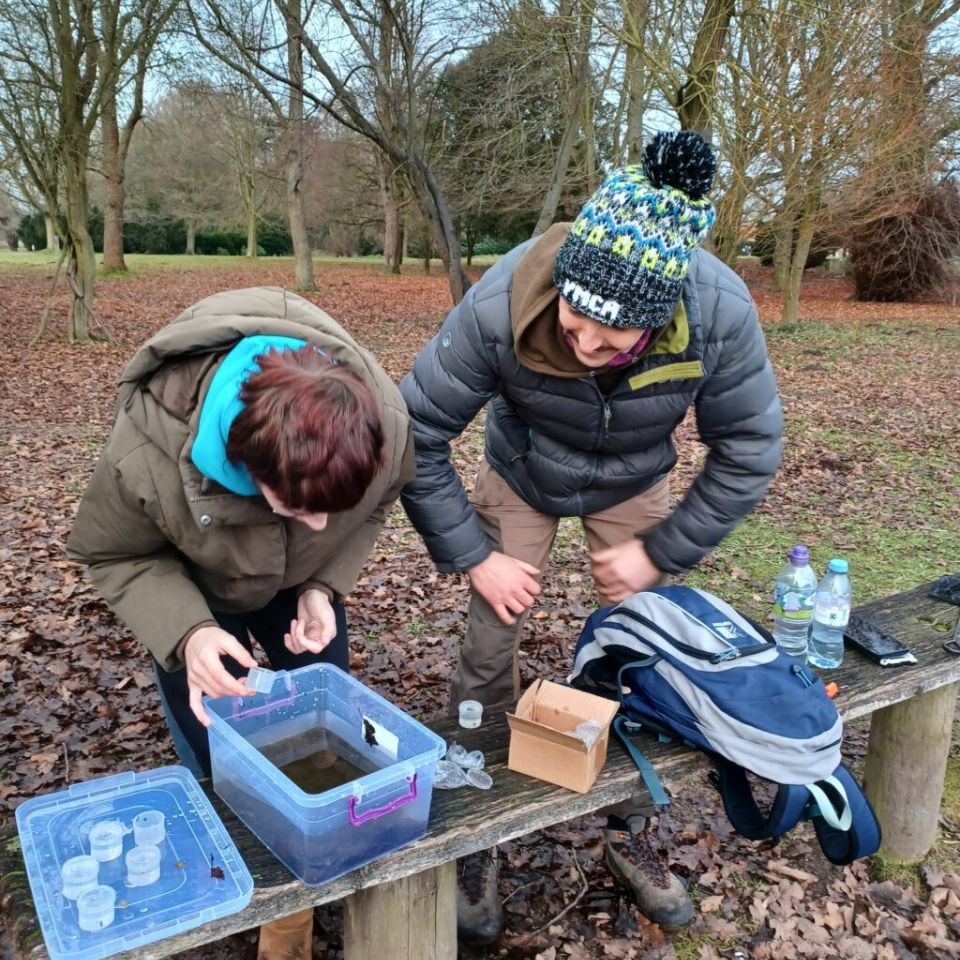
Harry is 17 and lives in YMCA Supported Housing. When he first joined Outdoor Education, he was quiet, withdrawn and found it hard to engage. The team started with relationship first – a relaxed introductory day, time to get to know each other, and real ownership so Harry could help shape what came next.
Through consistent support, shared activities and opportunities to lead, Harry began to open up and connect with others. Over time, he built confidence, communication skills and healthier routines.
“I didn’t think I’d enjoy it, but it felt good to be listened to. I actually had a laugh – and I’d do it again.”
Harry
Name and some details have been changed to protect privacy.
This can be particularly effective for young people at risk of becoming NEET
(Not in Education, Employment or Training), helping them develop confidence,
resilience, aspirations and stronger connections with trusted adults and future
opportunities.
To enquire about commissioned programmes, taster days and targeted cohorts,
get in touch with The Zone Youth Project.
Outdoor Education is delivered through The Zone Youth Project
(Registered Charity No. 1091750), working in partnership with YMCA Robin Hood Group.
Yes. We can pick up from and drop off at your location at the beginning and end of each session.
Up to 8 young people per group, so everyone is known, supported and actively involved.
We typically arrive at your location for around 10:00, run a short briefing (plans, expectations and safety), head out for the activity day, then return for a short debrief. On the final session, the debrief includes a celebration and certificates.
We work term-by-term, typically 4–6 weeks, depending on the length of the school term and your cohort’s needs.
Typically ages 11–25, tailored to your cohort. Mixing ages within a couple of years can work well, and both established groups and new groups are welcome.
Yes. We provide the kit needed for the activity, including items such as waterproofs, helmets, harnesses and hiking boots. We ask young people to arrive in appropriate clothing for the weather, and we carry a small number of spare layers just in case.
Not as standard. Schools/groups should ensure young people bring a packed lunch and water suitable for a full day outdoors. For certain activities, we can discuss options.
Each session is designed to develop skills such as teamwork, communication, positive communication, discipline, mental resilience, physical literacy and empathy, underpinned by YMCA’s Developmental Relationships approach.
All team members are up to date with the training required to deliver the activities offered. We hold a valid AALA licence, and all staff hold enhanced DBS checks.
While Outdoor Education can be enjoyed by a wide range of young people, schools often commission programmes for small groups who may be struggling with engagement, attendance, confidence, behaviour, belonging or relationships.
It can also be particularly beneficial for young people at risk of becoming NEET (Not in Education, Employment or Training), providing a supportive, relationship-led environment where they can experience success, build resilience, develop positive relationships and reconnect with learning and future possibilities.
